
Where Can You Actually Wild Camp in Europe? A Country-by-Country Guide
September 16, 2026 · Claude · 4 min read
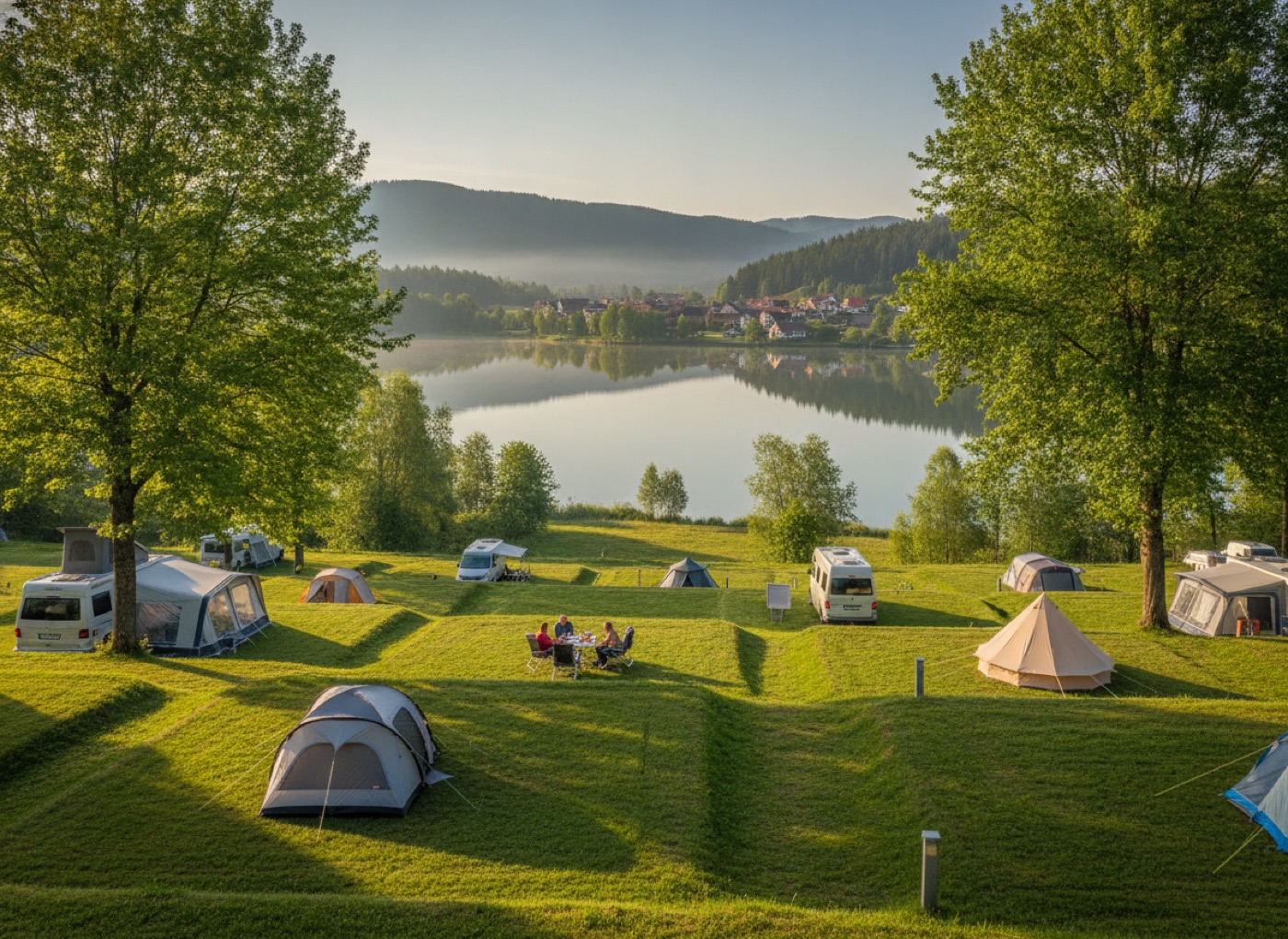
Wild camping laws range from generous “right to roam” rules to outright bans across Europe. Here's a country-by-country guide so your trip doesn't end with a fine.
Pitching a tent wherever the view looks good is one of the great fantasies of camping — but in most of Europe, it's more myth than legal reality. Rules range from genuinely open "right to roam" laws to outright bans with fines, and they change a lot depending on the country, the region, and even whether you're on foot, in a van, or in a car. Here's a practical rundown so you can plan a trip without accidentally breaking the law.
Countries with generous wild camping rights
Sweden, Norway, and Finland have the most famous wild camping laws in the world, often called Allemansrätten (the "right to roam" or "everyman's right"). In practice this means you're allowed to pitch a tent for one night on most uncultivated land, as long as you stay a reasonable distance from private homes, respect nature, and leave no trace. Sweden and Finland extend this to non-motorized camping almost everywhere outside nature reserves; Norway's version (allemannsretten) is similar but slightly stricter about proximity to cabins.
Scotland stands out in the UK for the Land Reform (Scotland) Act 2003, which gives a general right of responsible access to most land and inland water — including camping — outside of a few restricted zones (like parts of Loch Lomond during peak season, where a permit system applies). England and Wales, by contrast, have no general right to wild camp; Dartmoor is the one well-known exception, and even that has been legally contested in recent years.
Iceland technically restricts camping to designated sites for larger groups and motorized travel, but allows simple, single small-tent camping on uncultivated open land for short stays, as long as you're not close to a farm or protected area. Always check current rules before heading off-grid — Iceland has tightened regulations in recent years to protect fragile terrain.
Countries where it's a gray area
Germany, France, and the Netherlands generally prohibit wild camping (Wildcamping / camping sauvage) on public and private land alike, though enforcement varies wildly by region. In Germany, a short "emergency bivouac" (Biwak) — no tent, just sleeping under the stars for one night while hiking — is often tolerated, while pitching an actual tent is not. France allows camping in some rural communes with the mayor's permission, and many regional and national parks have specific rules that are more lenient than national law suggests.
Switzerland and Austria are similarly restrictive in valleys and populated areas but more relaxed at higher altitudes — above the tree line, a single night in a small tent for hikers is broadly tolerated, especially in Switzerland's alpine zones, though it's technically not codified as a right.
Countries with strict bans
Spain, Italy, Croatia, and Greece generally ban wild camping outright, particularly along the coast, and enforcement has increased as overtourism and wildfire risk have become bigger concerns. Fines can be substantial, especially in protected coastal and national park areas. Motorhome and campervan "wild parking" is an even hotter topic here — many municipalities have banned overnight parking of vehicles outside official campsites, sometimes with cameras and ANPR enforcement.
The universal ground rules, wherever you go
Regardless of the country, a few principles hold everywhere:
- One night, then move on. Almost every permissive law is built around short, temporary stays — not squatting on a scenic spot for a week.
- Leave no trace. No fires without explicit permission, pack out all trash, and don't dig latrines near water sources.
- Respect private land and livestock. Ask if in doubt, and never camp in a farmer's field without permission.
- Check local and seasonal exceptions. National parks, nature reserves, and even specific valleys often have their own stricter rules that override the general national law.
- Motorhomes are a different legal category. Many places that tolerate a hiker's tent explicitly ban overnight motorhome or car camping outside official areas — don't assume one implies the other.
Prefer a guaranteed spot over a legal gamble?
If the patchwork of national laws, regional exceptions, and seasonal bans sounds like more homework than you want before a trip, that's exactly the gap GelbeZelte is built to close — browse and book verified, legal campsites across Europe without wondering whether tonight's spot comes with a fine attached.